
Why Dental Crowns Are a Long-Term Tooth Solution
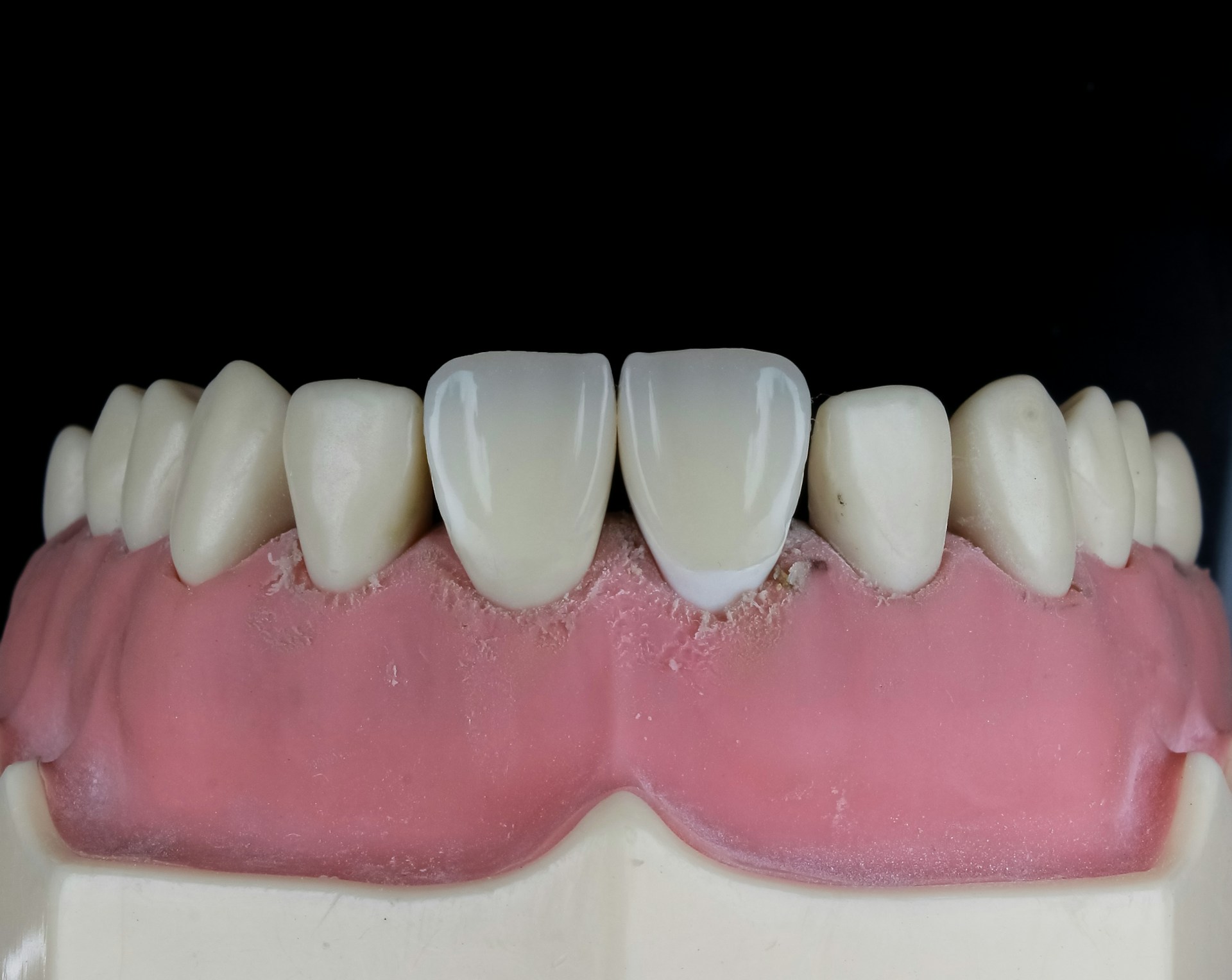
A damaged tooth can quietly disrupt daily life. Chewing becomes cautious, cold drinks sting, and smiling may feel slightly guarded. While fillings work for minor decay, more severe cracks or large cavities often demand a stronger answer. This is where Why Dental Crowns Are a Long-Term Tooth Solution becomes an important discussion for patients considering restorative care. A dental crown acts like a protective cap, covering the entire visible portion of a tooth and restoring its structure. Rather than removing the tooth or relying on temporary fixes, crowns provide stability and renewed function. Modern materials and improved dental techniques have made them durable, natural-looking, and dependable for many years, offering patients reassurance and practical value.
Superior Strength and Protection

One of the main reasons dental crowns are viewed as a lasting solution is their ability to reinforce weakened teeth. After extensive decay, fractures, or root canal treatment, the remaining tooth structure may be fragile. A crown covers and shields this structure from further stress. Daily chewing exerts repeated pressure, and without protection, cracks can deepen or spread. Crowns distribute biting forces evenly, reducing strain on vulnerable areas. Materials such as porcelain-fused-to-metal, zirconia, or ceramic are engineered to withstand regular use. This protective barrier allows patients to chew comfortably without constant worry about breakage. Instead of patching a damaged area, a crown restores full coverage, reducing the likelihood of additional deterioration.
Long Lifespan with Proper Care
Dental crowns are built for durability. With appropriate oral hygiene and regular dental visits, many crowns last between 10 to 15 years, and at times longer. Their lifespan depends on material choice, placement technique, and personal habits such as grinding or clenching. Unlike temporary restorations that require frequent replacement, crowns offer extended stability. Brushing twice daily, flossing carefully around the gum line, and avoiding habits like biting hard objects contribute to their longevity. While no dental restoration lasts forever, crowns provide a long service period compared to large fillings that may weaken over time. This extended performance makes them cost-effective in the long run, even if the initial procedure requires a higher investment.
Restores Function and Comfort
A compromised tooth often leads to discomfort while eating or speaking. Sensitivity to temperature or pressure may interfere with simple meals. Dental crowns restore normal function by rebuilding the tooth’s shape and surface. Once placed, they allow smoother chewing and clearer speech. Because crowns are custom-made to fit the patient’s bite, they align with surrounding teeth and reduce imbalance. Proper alignment helps prevent uneven wear or jaw strain. Patients frequently report that crowned teeth feel natural after a short adjustment period. Instead of adapting to a damaged tooth, individuals regain confidence in everyday activities like enjoying crunchy foods or smiling in photographs. That restoration of comfort plays a significant role in long-term satisfaction.
Natural Appearance and Aesthetic Stability

Beyond structural support, dental crowns also improve appearance. Modern crowns are designed to blend with natural teeth in color and contour. Ceramic and porcelain materials mimic light reflection similar to enamel, creating a lifelike finish. This is particularly important for front teeth, where visual harmony matters. Discolored, chipped, or misshapen teeth can affect self-esteem. A well-crafted crown restores symmetry and brightness without looking artificial. Unlike temporary cosmetic fixes, crowns maintain their shade and structure over years of use. Staining resistance further contributes to their lasting appeal. For patients balancing health and aesthetics, crowns provide both practical repair and visual renewal in a single procedure.
Prevents Further Complications
Ignoring a severely damaged tooth can lead to greater problems, including infection or tooth loss. Large cavities may spread deeper into the pulp, requiring more invasive treatment. Cracks can widen, making restoration difficult. Dental crowns act as a protective seal, limiting exposure to bacteria and external irritants. After a root canal, for example, placing a crown helps protect the treated tooth from fracture. Without this coverage, the tooth could weaken and fail. By reinforcing and sealing compromised teeth, crowns reduce the risk of additional dental procedures. Preventive strength contributes to oral stability, lowering the chance of emergencies or complex interventions later. This forward-looking benefit supports their reputation as a dependable restorative option.
Dental crowns provide a reliable answer for teeth that require more than minor repair. Their strength shields weakened structures, while their durability supports years of dependable function. By restoring comfort, improving appearance, and preventing further complications, crowns deliver both immediate relief and long-term value. With proper care and professional placement, they stand as a practical investment in oral health, offering stability and renewed confidence for everyday living.

